Product engineering
End-to-end platforms from information architecture to production interfaces, APIs, and operational readiness.
- Reliable product surfaces
- Accessible interaction design
- Maintainable delivery
I design refined user experiences and the production architecture behind them—turning operational complexity into reliable platforms that remain understandable, efficient, and maintainable after launch.

Bakhtar University plus Afghanistan Technical Vocational Institute (ATVI)
92% cumulative average
Across the two principal programs shown here and additional DIT, CIT, DEL, computer certificates, and shorter technology diplomas intentionally omitted for focus, my cumulative study in computing and technology exceeds eight years.
Selected ways of working with teams that need both a refined interface and the architecture underneath it.
End-to-end platforms from information architecture to production interfaces, APIs, and operational readiness.
Service boundaries, data models, messaging, and integration design that stay understandable as the product grows.
Containerization, CI/CD, health checks, workers, and the operational detail that keeps software alive after launch.
Technical direction, mentorship, and communication with stakeholders so teams can move without creating fragile shortcuts.
Real production deployments, interactive iframe previews, architecture details, selected package inventories, operational requirements, and secure source access.
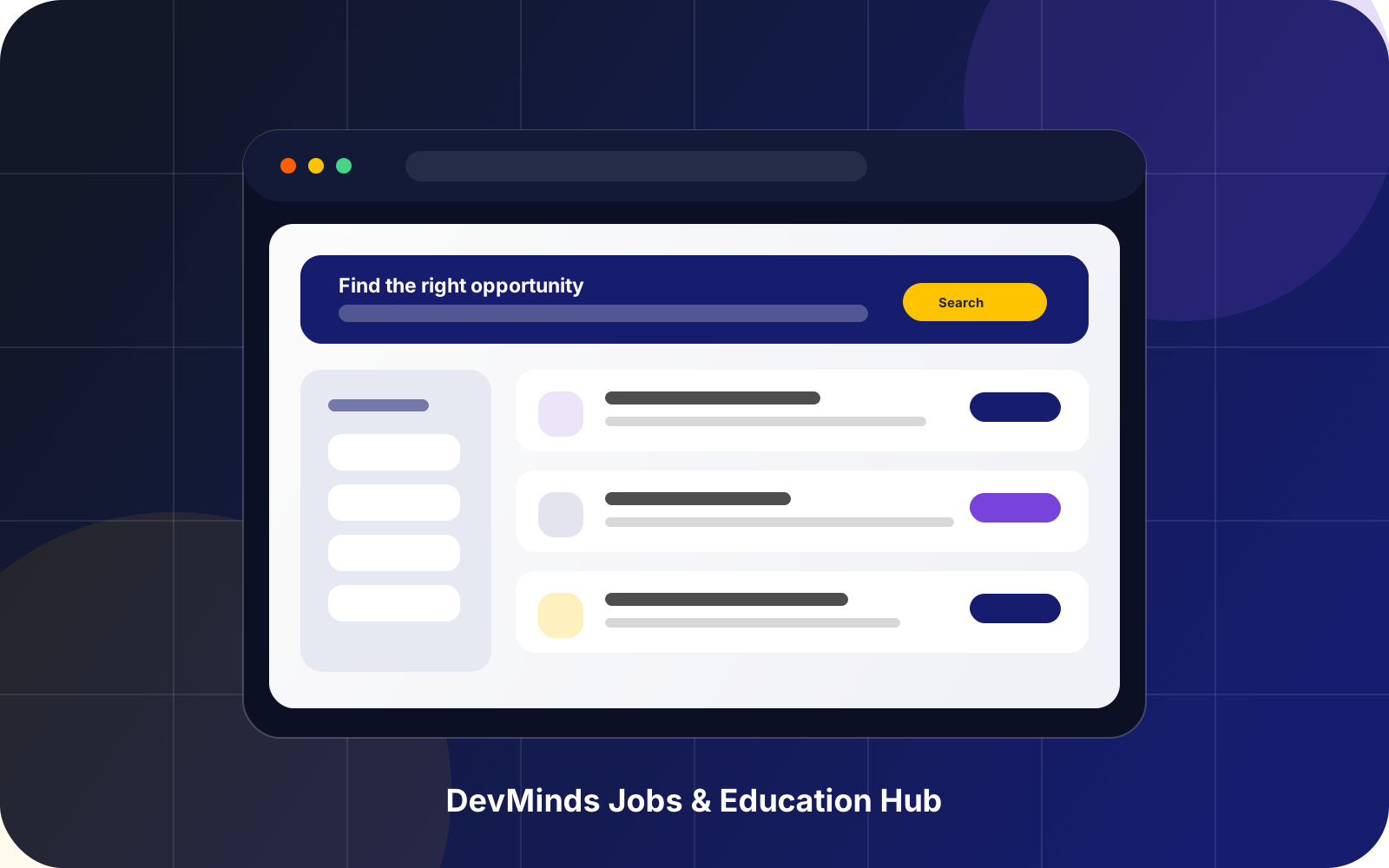 Live · Maintained
A multi-sided job, scholarship, and government-contract portal where administrators and verified company accounts can publish opportunities for job seekers, students, and organizations.
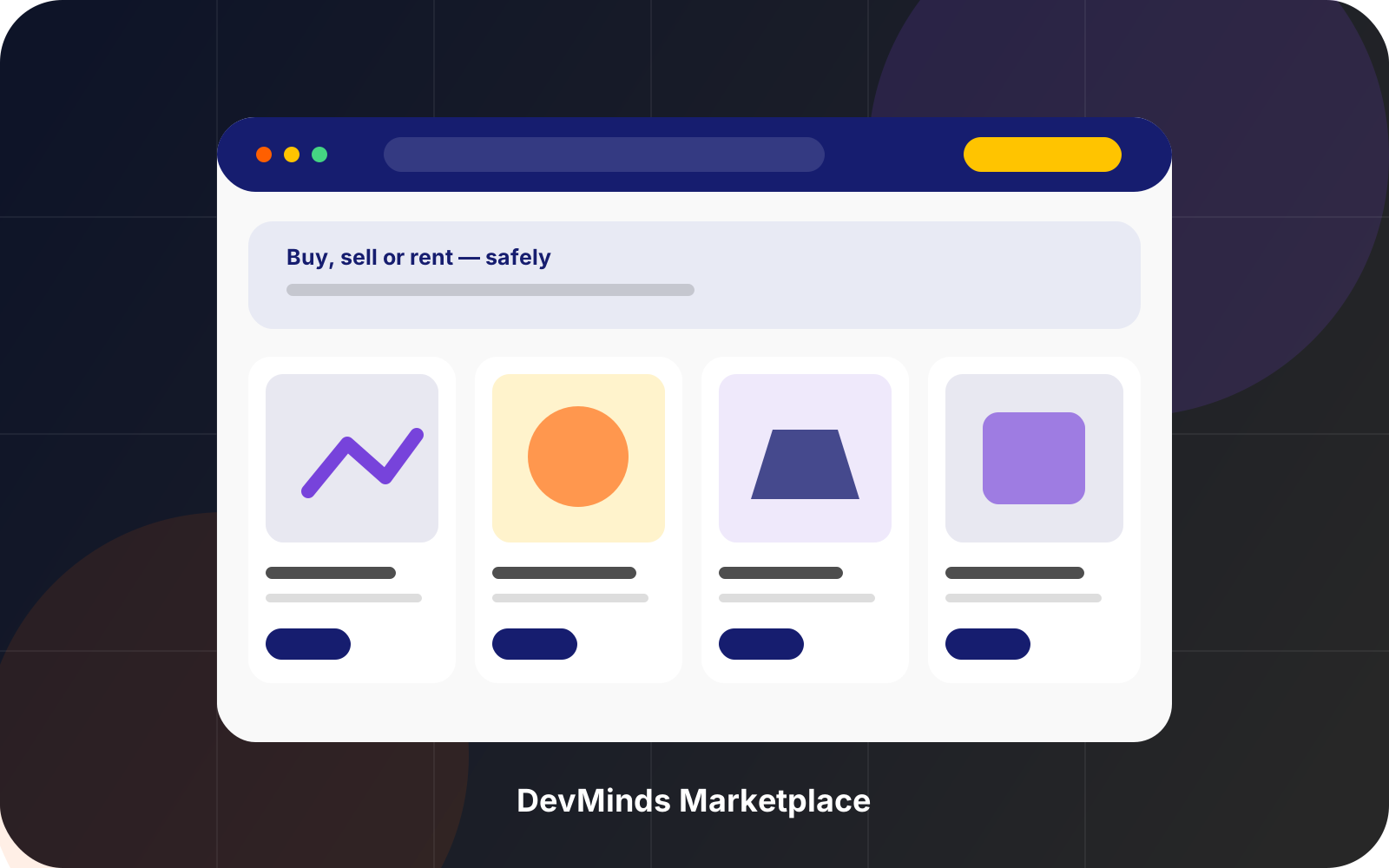 Live · Maintained
A moderated marketplace for buying, selling, and renting products across structured categories, with user-generated listings, administration approval, advanced search, notifications, and community-oriented product discovery.
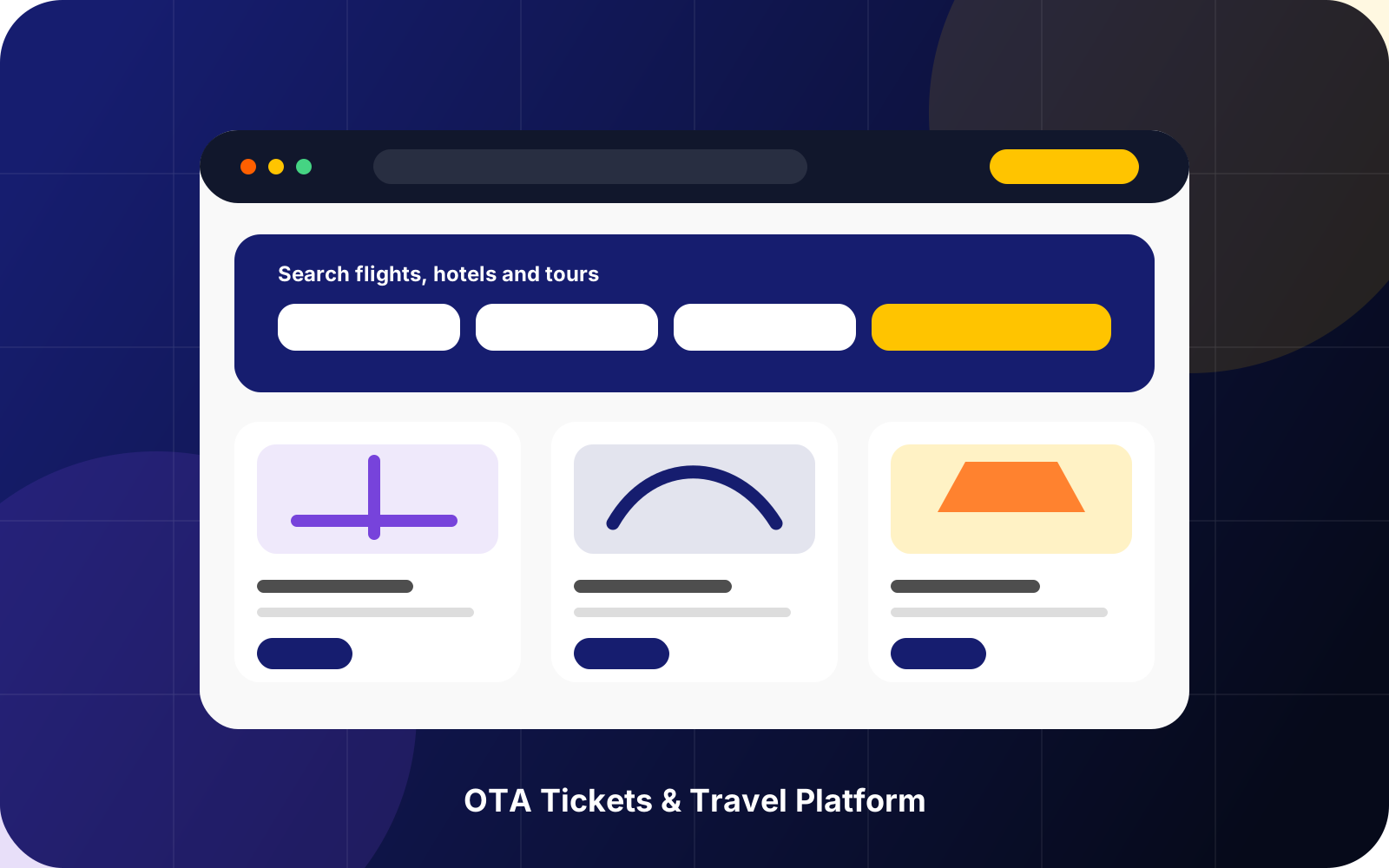 Live · Maintained
A travel platform ecosystem for flight, hotel, and tour services with provider integrations, separate customer and administration micro frontends, and a host application that composes the product surfaces.
Humanitarian operations, NGO publishing, public-sector systems, commerce products, distributed architecture, and production delivery.
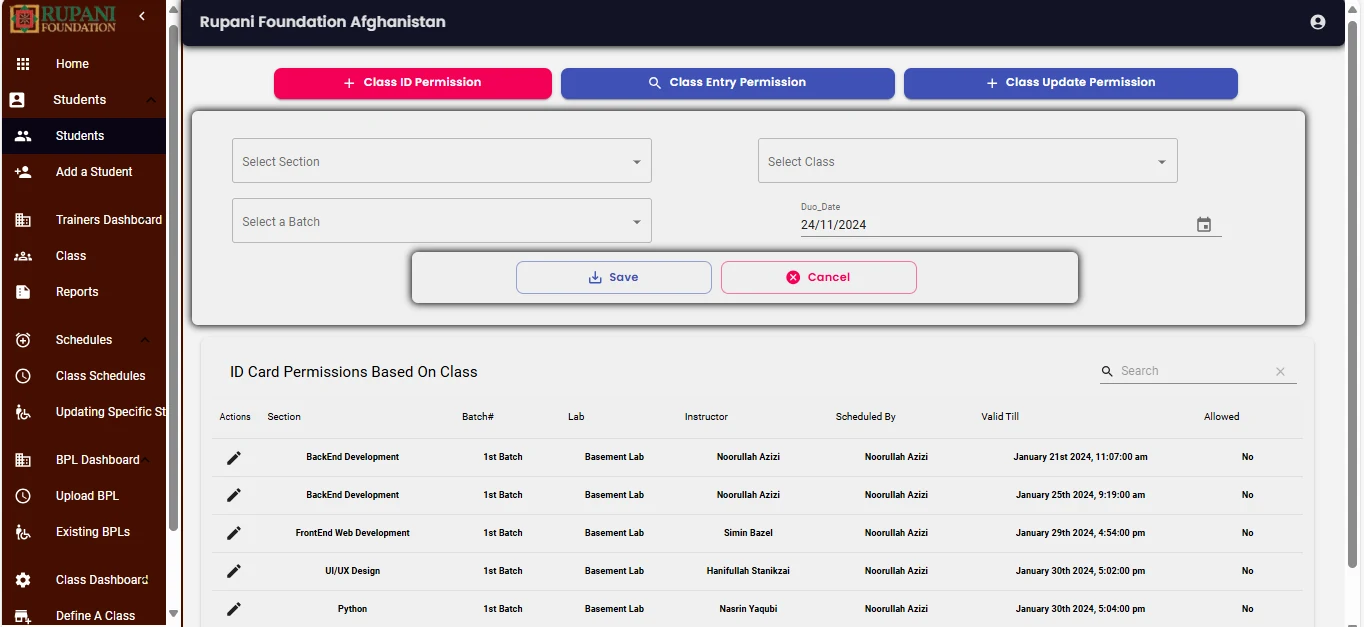 01
01A locally deployed and actively maintained project-management system for beneficiary assessment, enrollment, practical-skills training, QR and manual attendance, reporting, monthly payment coordination, and trainer operations—supporting programs intended to strengthen participants’ financial independence and household resilience.
 02
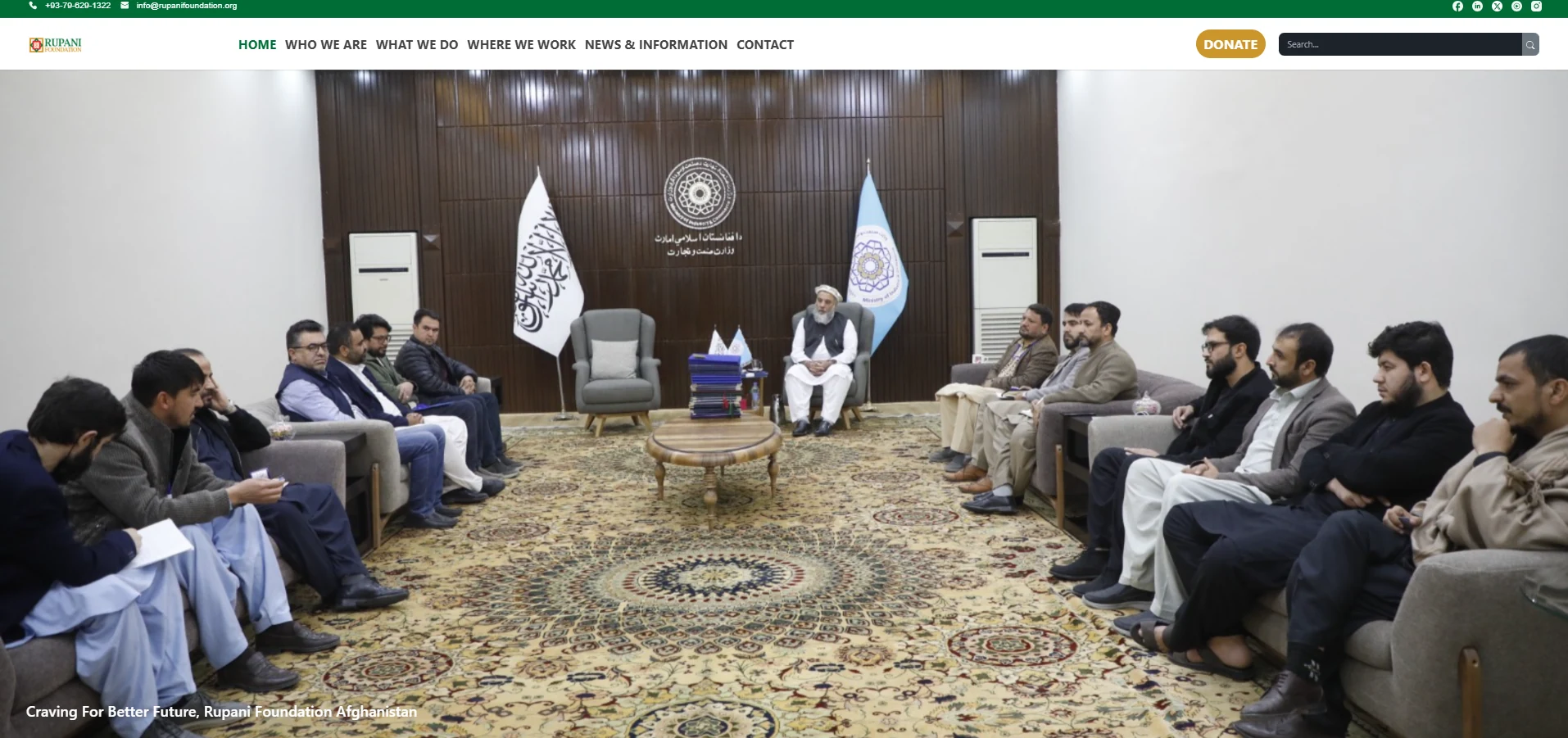
02A production website ecosystem for an international NGO: a React.js public website, a Laravel API that supplies structured content, and a separate Laravel Blade CMS for editorial administration.
03Live SystemsA multi-sided job, scholarship, and government-contract portal where administrators and verified company accounts can publish opportunities for job seekers, students, and organizations.
04Live SystemsA moderated marketplace for buying, selling, and renting products across structured categories, with user-generated listings, administration approval, advanced search, notifications, and community-oriented product discovery.
05Live SystemsA travel platform ecosystem for flight, hotel, and tour services with provider integrations, separate customer and administration micro frontends, and a host application that composes the product surfaces.
 06
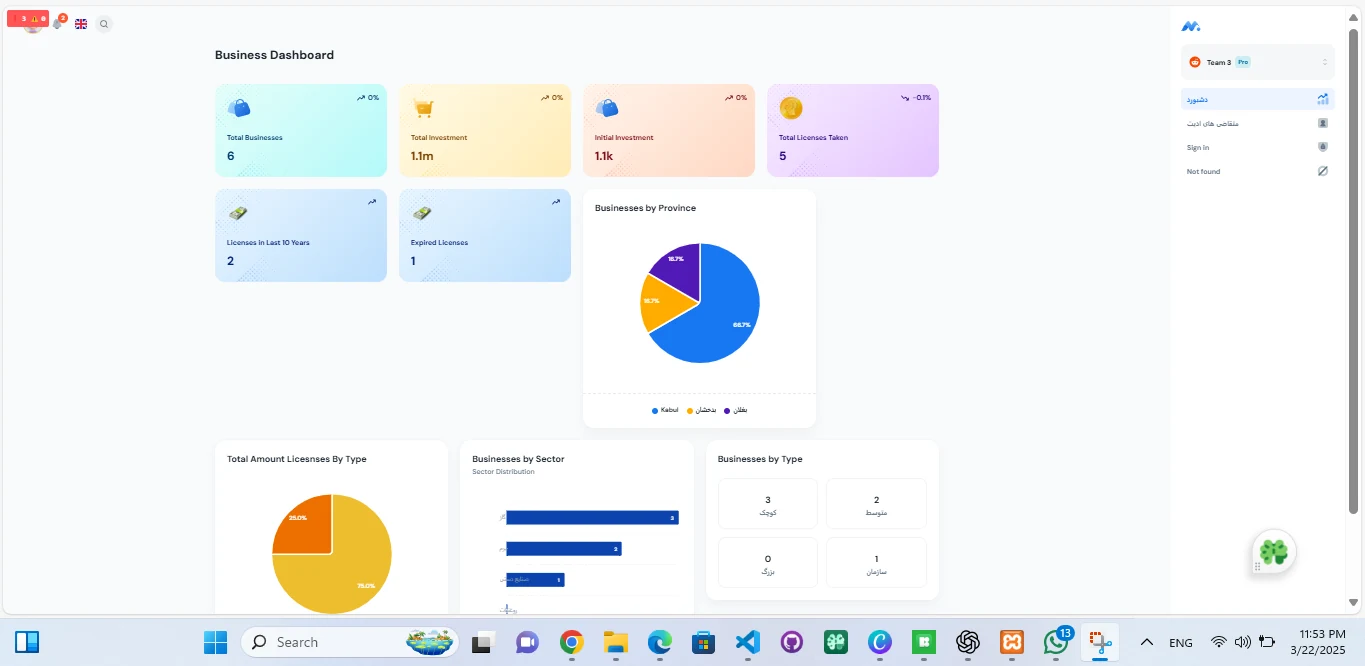
06A multilingual visitor website, business-registration workflow, internal dashboard, analytics, and administration suite for a public-sector organization.
Discovery first, then structure, then implementation that can be operated after the launch announcement.
Clarify the operating problem, constraints, audiences, and what must remain true after launch.
Shape information architecture, service boundaries, and the interaction model before implementation hardens the wrong structure.
Implement the product surface and the systems behind it with tests, migrations, and explicit ownership of edge cases.
Containerize, configure, and release with health checks, rollback paths, and documentation the next engineer can follow.
Watch production behavior, tighten the weak points, and keep the system understandable as requirements change.
Selected notes from product and engineering partners. Names stay role-based when confidentiality requires it.
“The work arrived as a complete operating system—interfaces, services, and deployment—not a set of disconnected screens.”
“Complex public-sector workflows became understandable without losing the controls the organization actually needed.”
“Architecture decisions were explained in language the team could maintain, then proven in production rather than in a slide deck.”
A practical stack shaped by production systems, not trend chasing.
Information architecture, responsive interaction, accessible states, multilingual behavior, form ergonomics, and predictable feedback are treated as engineering responsibilities—not decoration.
Public repositories open directly on GitHub. Private source uses a controlled request workflow based on GitHub username, least-privilege permissions, and time-limited review access.